
YT NT NU BC AB SK MB ON QC NB NL NS PE
On this page:
- Key Takeaways
- Electricity and Renewable Energy Trends
- Recent and Planned Renewable Electricity and Energy Storage Projects
Nova Scotia
Nova Scotia’s electricity system historically depended on fossil fuels, predominantly coal. Since 2022, under the Environmental Goals and Climate Change Reduction Act, the province committed to phasing out coal by 2030 and sourcing 80% of its electricity from renewable sources.Footnote 1Footnote 2 Nova Scotia Power (NSP) is a privately owned utility (a subsidiary of Emera Inc.) that generates, transmits, and distributes electricity across the province. The utility operates under a regulated monopoly model, meaning it is the sole provider of electricity services in most of the province, and its operations are overseen by the Nova Scotia Energy BoardFootnote 3. Nova Scotia is currently in the process of restructuring its electricity system by establishing the non-profit Nova Scotia Independent Energy System Operator, which will take over system planning, renewable energy integration, and real-time grid operations in 2026—functions currently managed by NSPFootnote 4.
Key Takeaways
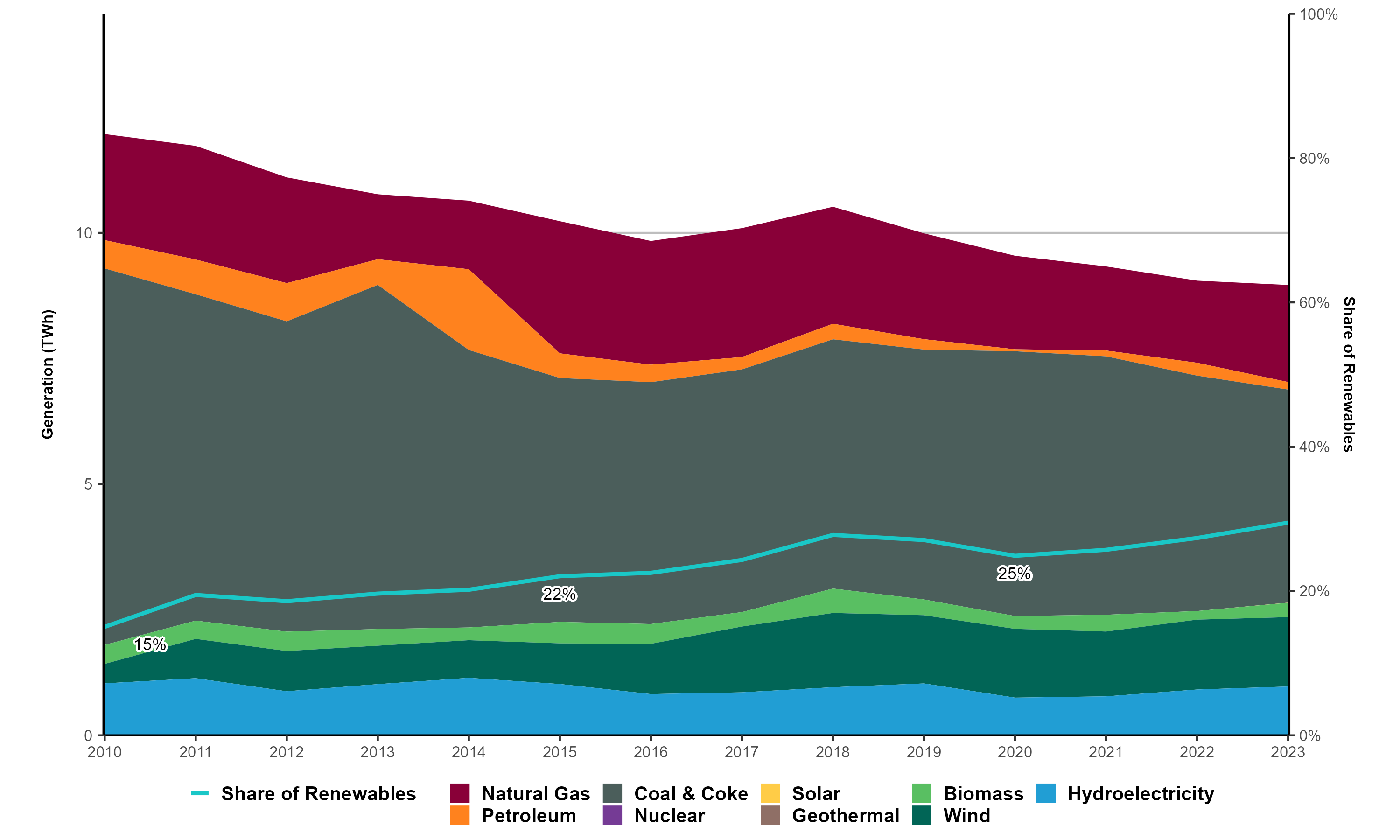
- In 2023, Nova Scotia generated 9.0 terawatt-hours (TWh) of electricity, with 2.6 TWh (29.5%) coming from renewable sources. In 2010, generation was 12.0 TWh, with 15% from renewable energy.
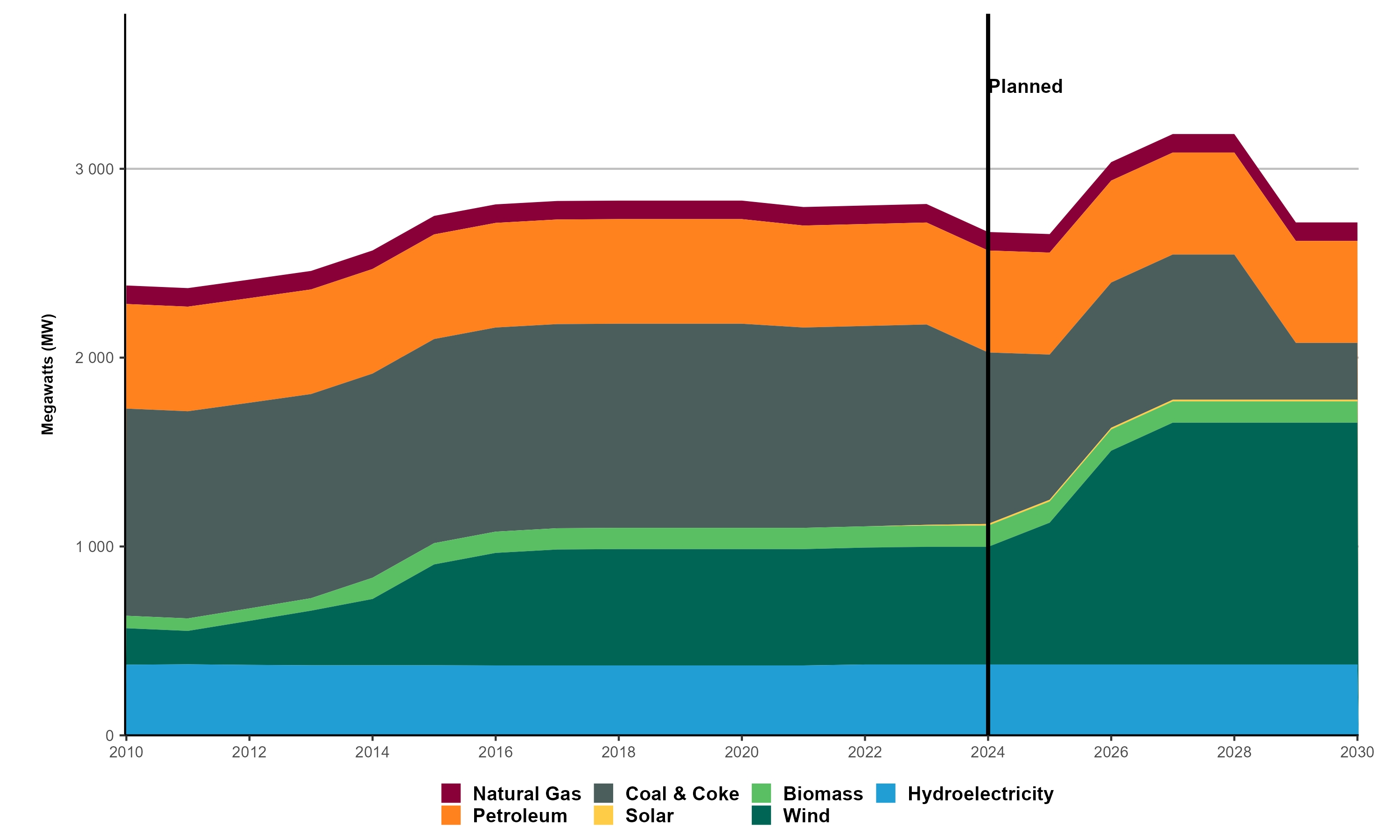
- Despite this decline in generation between 2010 and 2023, renewable generation capacity grew from 633 MW (26.6%) to 1,115 MW (39.6%) over the same time period. This growth came mainly from new wind (430 MW), biomass (46 MW) and solar (4 MW) capacity.
Electricity and Renewable Energy Trends
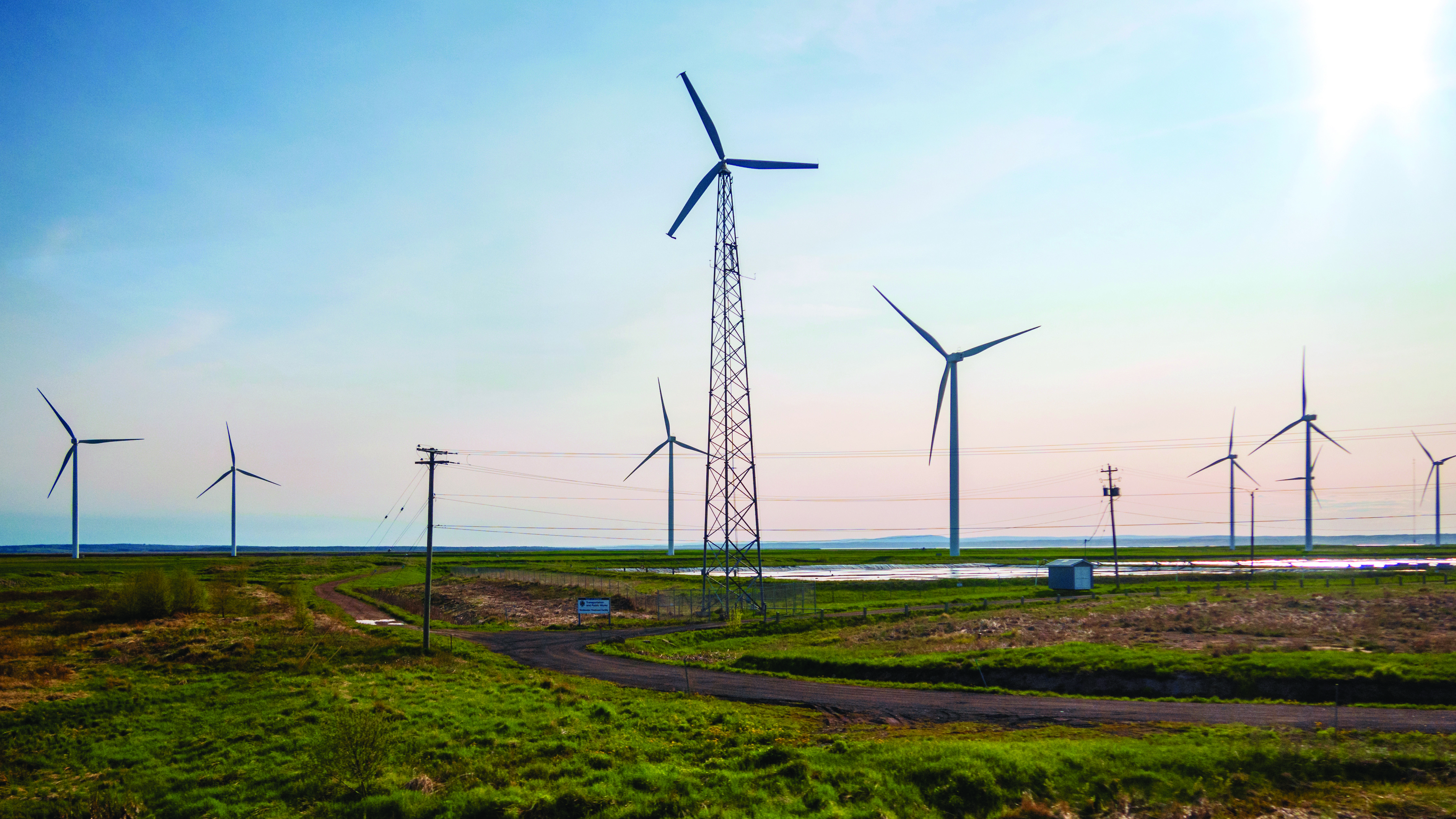
Nova Scotia’s electricity mix shifted significantly over the past decade. While coal and natural gas still provide a large share of generation (47.3% and 21.6%, respectively, in 2023), wind and solar have expanded. Wind capacity grew from 193 MW in 2010 to 623 MW in 2023, a 223% increase. Growth was driven by provincial policies and favourable wind conditions. Hydroelectricity and bioenergy continued providing stable contributions, making up 13% and 4% of generation capacity in 2023, respectively.
Coal use declined from 63% of generation in 2010 to 47% in 2023, with further reductions expected through coal plant retirements and increasing renewable output. Natural gas continues to provide peaking capacity.
The Maritime Link, which was commissioned in 2018 and connects Newfoundland and Cape Breton via subsea cable, allows for the import of up to 470 MW of electricity from Newfoundland and Labrador, enhancing reliability and enabling further renewable integrationFootnote 5.
Figures 1 and 2 show historical trends in generation and installed capacity, respectively. Figure 2 also includes planned capacity additions for 2024–2030. The planned portion of the figure may be conservative; additional projects could be announced and come online before 2030, and some projects in the outlook might not proceed.
Figure 1: Electricity Generation by Type in Nova Scotia
Source and Text Alternative
Source: The primary source for electricity generation data comes from Statistics Canada. Table 25-10-0020-01, 25-10-0084-01, and 25-10-0028-01 are combined to display data for all categories and years.
Data: Electricity Generation by Type in Nova Scotia [XLSX 21 KB]
Text Alternative: This graph illustrates electricity generation from 2010 to 2023 in Nova Scotia. In 2010, Nova Scotia’s total generation was 12 TWh (15.0% renewable). In 2023, total generation was 9 TWh (29.4% renewable). Most generation in 2023 came from coal (47.3%), natural gas (21.6%), wind (15.4%), and hydroelectricity (10.8%).
Figure 2: Electricity Capacity and Future Changes in Nova Scotia
Source and Text Alternative
Source: The primary source for electricity generation capacity data comes from Statistics Canada. Table 25-10-0022-01 and Table 25-10-0023-01 are combined to display data for all of the categories. It is supplemented by additional project-level data for planned capacity from provincial governments, utilities, and system operators, as well as industry associations.
Data: Electricity Capacity and Future Changes in Nova Scotia [XLSX 21 KB]
Text Alternative: This graph illustrates historical electricity generation capacity from 2010 to 2030 in Nova Scotia. In 2010, the province’s total installed electricity capacity was 2,382 MW (26.6% renewable). In 2023, capacity grew to 2,813 MW (39.6% renewable). In 2030, based on planned capacity additions, capacity reaches 2,716 MW (65.4% renewable).
Nova Scotia’s first utility-scale battery energy storage systems are under construction, with a total capacity of 150 MW. The three 50 MW White Rock, Bridgewater, and Waverley projects are supported by the Canada Infrastructure BankFootnote 6 and are planned to come online before the end of 2026.
In 2023, the province had 72.5 MW of distributed solar power capacityFootnote 7.
Nova Scotia has mandated biomass electricity generation since 2022, with targets rising from 135 GWh per year to 160 GWh for 2026 and 2027. The new directive for provincial departments to explore wood heating systems could lead to a further increase in biomass-based electricity and energy systemsFootnote 8. In 2023, the province had 21 MW of biomass boiler capacity for heat and 9 MW of combined heat and power, in community, light industrial, institutional, commercial, and agricultural sectors.
Recent and Planned Renewable Electricity and Energy Storage Projects
This section highlights selected renewable power and energy storage projects in Nova Scotia, either recently completed or planned for development between 2025 and 2030. This list is not comprehensive and is based on information available as of September 2025.
- Goose Harbour Lake Wind Farm – A wind project owned by Port Hawkesbury Paper Wind Ltd. Partnership, with a 10% equity stake held by Wskijinu'k Mtmo'taqnuow Agency Ltd., representing 13 Mi’kmaw First Nations communities, plans to add 168 MW of wind capacity in 2026Footnote 9.
- Mersey River Wind Farm – A wind project owned by Mersey River Wind Inc., plans to add 148.5 MW of wind capacity in 2027Footnote 10.
- Wedgeport Wind Farm – A wind project owned by Wedgeport Wind Farm Limited Partnership, comprising Elemental Energy, Stevens Wind, and Sipekne’katik First Nation, plans to add 84 MW of wind capacity in 2026Footnote 11.
- Higgins Mountain Wind Farm – A wind project owned by Higgins Mountain Wind Farm Limited Partnership, plans to add 100 MW of wind capacity in 2026Footnote 12.
- Benjamins Mill Wind Project – A wind project owned by Wskijnu’k Mtmo’taqnuow Agency Ltd. and Natural Forces, plans to add 33.6 MW of wind capacity in 2025Footnote 13.
- Date modified: