
YT NT NU BC AB SK MB ON QC NB NL NS PE
On this page:
Canada
Canada ranks among the world’s top producers of renewable electricity. In 2023, Canada was the fourth-largest global producer of renewable electricity, despite being only the 38th most populous countryFootnote 1Footnote 2. This leading position is primarily driven by hydroelectricity, which accounts for the majority of Canada’s renewable generation. Over the past decade, other renewable technologies—particularly wind and solar—have also seen steady growth, further diversifying the country’s clean electricity mix. The country’s electricity system draws on a diverse mix of technologies, with regional variation reflecting differences in geography, resource availability, and provincial policy priorities.
Electricity Generation Trends
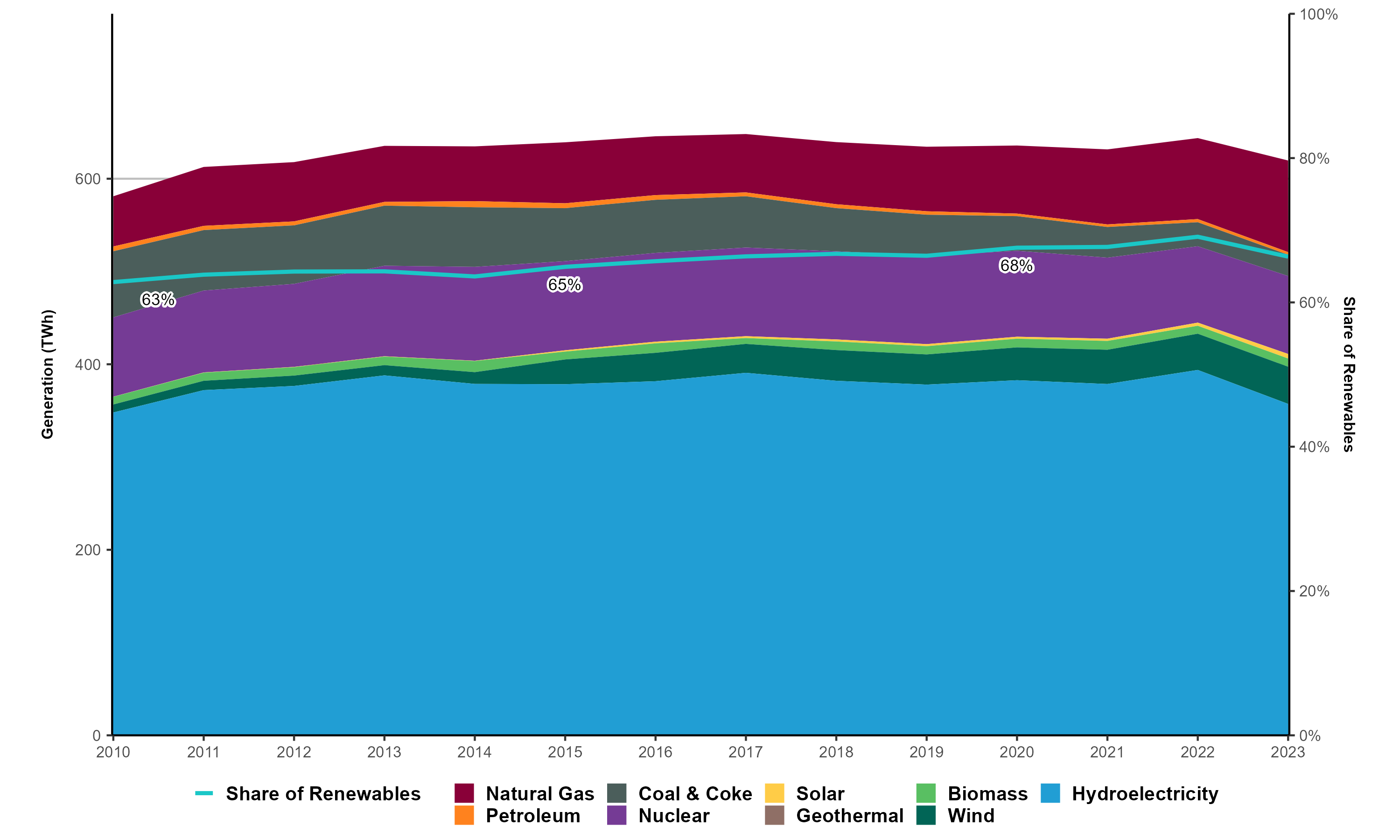
In 2023, Canada generated 620 terawatt-hours (TWh) of electricity. Of this, 411 TWh came from renewable sources, making up 66% of total generation. Hydroelectricity remained dominant, accounting for 58% of national generation, followed by wind (6%), solar (1%), and other renewable sources like biomass and geothermal (1% combined).
Between 2010 and 2023, total electricity generation in Canada increased by 6.6% (from 581 TWh to 620 TWh), while renewable generation rose by 12.6% (from 365 TWh to 411 TWh), increasing its share of the mix from 62.8% to 66.3%.
Most of this growth came from wind and solar. Wind generation grew by 364%, from 8.6 TWh in 2010 to 40.1 TWh in 2023. Solar increased more than fortyfold, from 0.1 TWh to 4.9 TWhFootnote 3. Provinces such as Ontario and Alberta led this expansion. Biomass-fired electricity generation increased by 7% (from 8.3 TWh to 8.8 TWh), and Canada’s first utility-scale geothermal plant was commissioned in Alberta in 2023.
Hydroelectricity remains Canada’s largest source of renewable electricity. Between 2010 and 2023, hydroelectricity generation rose modestly by 3%, from 348 TWh to 357 TWh. As a clean and dependable source of energy, hydroelectricity plays a crucial role in meeting electricity demand and maintaining grid reliability. However, its output remains sensitive to weather and water availability—hydroelectricity generation in 2023 fell by 9% (37 TWh) compared to the previous year due to drought conditionsFootnote 4.
Figure 1: Electricity Generation by Energy Source
Source and Text Alternative
Source: The primary source for electricity generation data comes from Statistics Canada. Table 25-10-0020-01, 25-10-0084-01, and 25-10-0028-01 are combined to display data for all categories and years.
Data: Electricity Generation by Energy Source [XLSX 22 KB]
Text Alternative: This graph illustrates historical electricity generation by energy source in Canada. In 2010, Canada’s total generation was 581 TWh (63% renewable). In 2023, total generation was 620 TWh (66% renewable).
Historical and Planned Capacity Trends
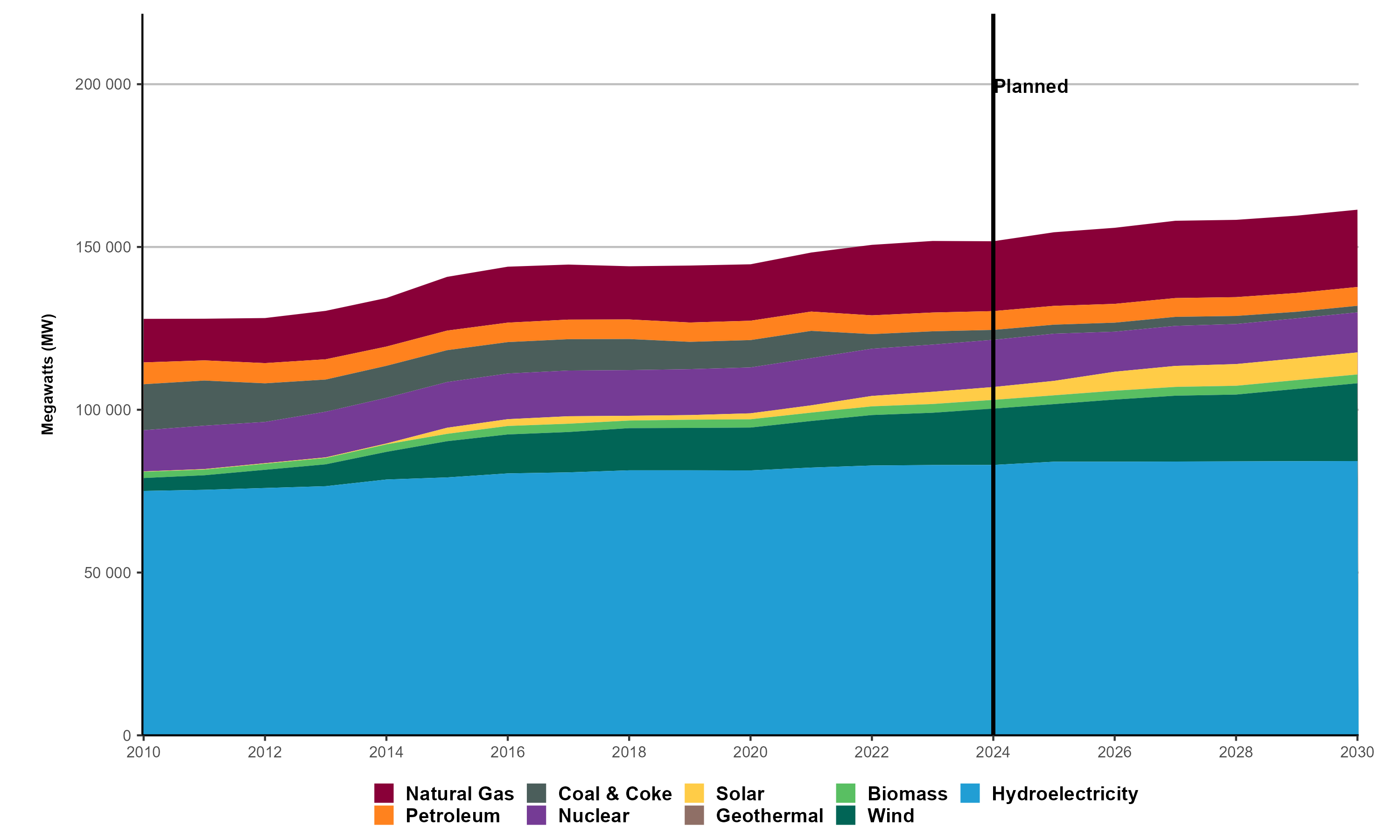
From 2010 to 2023, total electricity generation capacity in Canada increased by 19%, with renewable capacity growing by 30%. Most of this growth was concentrated in Ontario, Quebec, and Alberta, which accounted for 30%, 23% and 18% of national renewable capacity additions, respectively.
Looking forward, renewable capacity is anticipated to grow by 12,102 MW (11.5%) between 2024 and 2030, based on planned projects. Wind projects lead the planned additions (7,833 MW), followed by solar (3,019 MW) and hydroelectricity (1,227 MW). Based on planned additions across all energy sources, the share of total renewable energy capacity would increase slightly—from 69.5% in 2023 to 72.9% in 2030.
Figure 2 shows historical capacity changes in Canada between 2010 and 2023, and planned capacity changes between 2024 and 2030. The planned portion of the figure may be conservative; more projects could be announced and become operational before 2030, and some of the planned projects in the outlook might not proceed.
Figure 2: Electricity Capacity by Energy Source
Source and Text Alternative
Source: The primary source for electricity generation capacity data comes from Statistics Canada. Table 25-10-0022-01 and Table 25-10-0023-01 are combined to display data for all of the categories. It is supplemented by additional project-level data for planned capacity from provincial governments, utilities, and system operators, as well as industry associations.
Data: Electricity Capacity by Energy Source [XLSX 22 KB]
Text Alternative: This graph illustrates historical and planned electricity generation capacity by energy source in Canada. In 2010, Canada’s total generation capacity was 127,923 MW (63% renewable). In 2023, total generation capacity was 151,848 MW (69% renewable). In 2030, total generation capacity is 161,452 MW (73% renewable).
Energy Storage
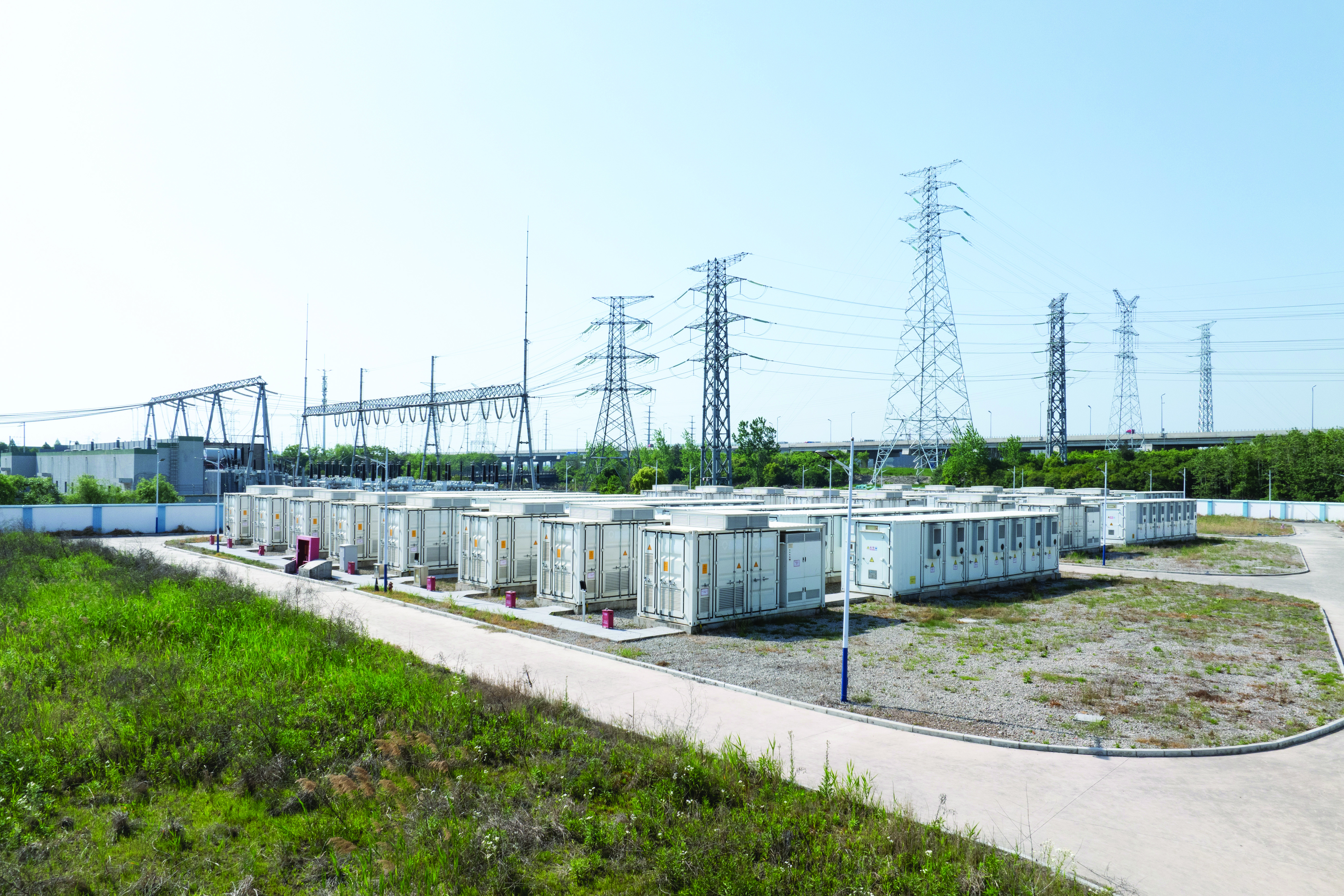
Energy storage has a growing role in Canada’s electricity system. It provides a suite of grid services—spanning system, ancillary, and market functions—that enhance performance, reliability, and efficiencyFootnote 5. Many of these services facilitate the integration of variable renewable energy sources. Energy storage balances supply and demand by storing electricity when produced in excess and discharging it when demand peaks or when output from wind and solar is low.
Electricity use is expected to rise in the coming years, while wind and solar power—whose outputs are inherently variable depending on wind and sun conditions—continue to grow as key sources of supply. These systems can store excess electricity during periods of high renewable generation and supply it back to the grid when generation drops or demand increases.
Two main types of energy storage are used in Canada:
- Battery Energy Storage Systems (BESS)
- Pumped Storage Hydropower (PSH)
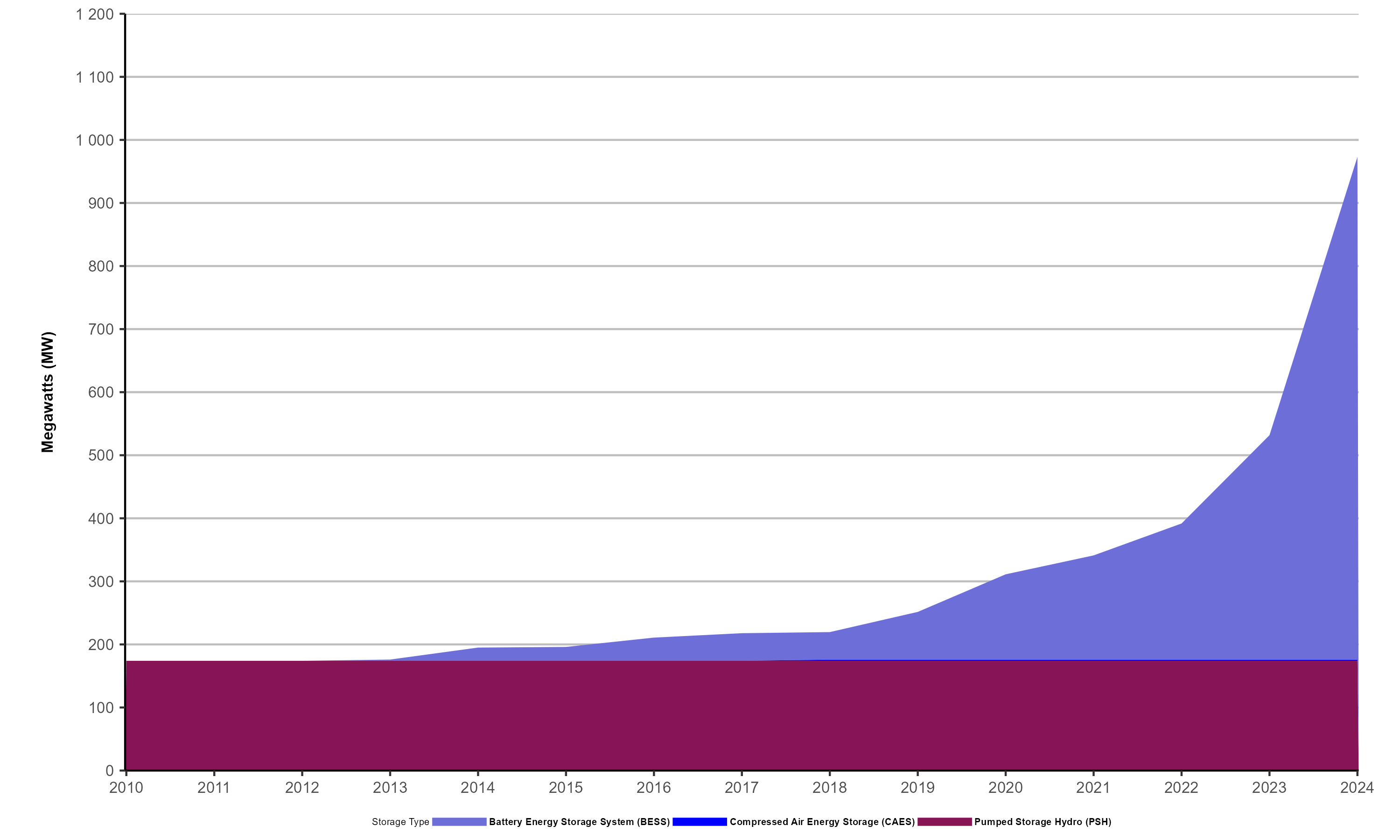
Figure 3: Energy Storage Capacity in Canada
Source and Text Alternative
Source: Market Snapshot: Energy Storage in Canada May Multiply by 2030, Canada Energy Regulator. CER Calculations.
Text Alternative: This graph illustrates energy storage capacity from 2010 to 2024 across Canada. The storage types considered are battery energy storage system (BESS), compressed air energy storage (CAES), and pumped hydro storage (PSH). PSH remained steady at around 170 MW. BESS has seen significant growth starting in the mid-2010s, and made up most of energy storage capacity in 2024. Other storage types remain marginal.
BESS projects are the most common in Canada. They typically store energy for about 4 hours at full capacity and can be built in a wide range of locations. One of their key advantages is siting flexibility—they can be deployed in a wide range of locations, including near generation sources, substations, or load centers, making them highly adaptable to different grid needs. In addition to shifting energy over time, BESS can also provide essential grid services such as frequency regulation, voltage support, and operating reserves, helping maintain grid stability and reliability.
Compressed Air Energy Storage (CAES) projects, which are uncommon in Canada, store compressed air underground (e.g., mines, aquifers, salt caverns or old oil reservoirs) or in tanks, releasing it later to drive turbines and generate electricity. As of October 2025, Canada has only one CAES facility: the Goderich A-CAES Facility in Ontario, which stores 1.75 MWFootnote 6.
PSH projects store energy by pumping water into elevated reservoirs and releasing it later to generate power. PSH offers significantly longer storage durations than BESS, making it well-suited for long-duration energy needs. However, its development is constrained by geographic requirements—it relies on specific topographical features, such as suitable elevation differences and access to water reservoirs, which limits where it can be feasibly sited.
As of October 2025, many of the new or planned projects pair BESS with variable renewable sources like wind or solar. In just solar-plus-storage projects, Canada has about 65 MW in operation, with another 130 MW under construction, and 30 MW proposed. Wind-plus-storage projects are less common, with 20 MW currently in operation.
Energy storage projects are increasing rapidly in Canada, and many projects are planned to come online in upcoming years. Planned BESS additions that are set to come online before 2030 could lead to a 10-fold increase in storage capacity, compared with nation-wide 2024 capacity.
- Date modified: